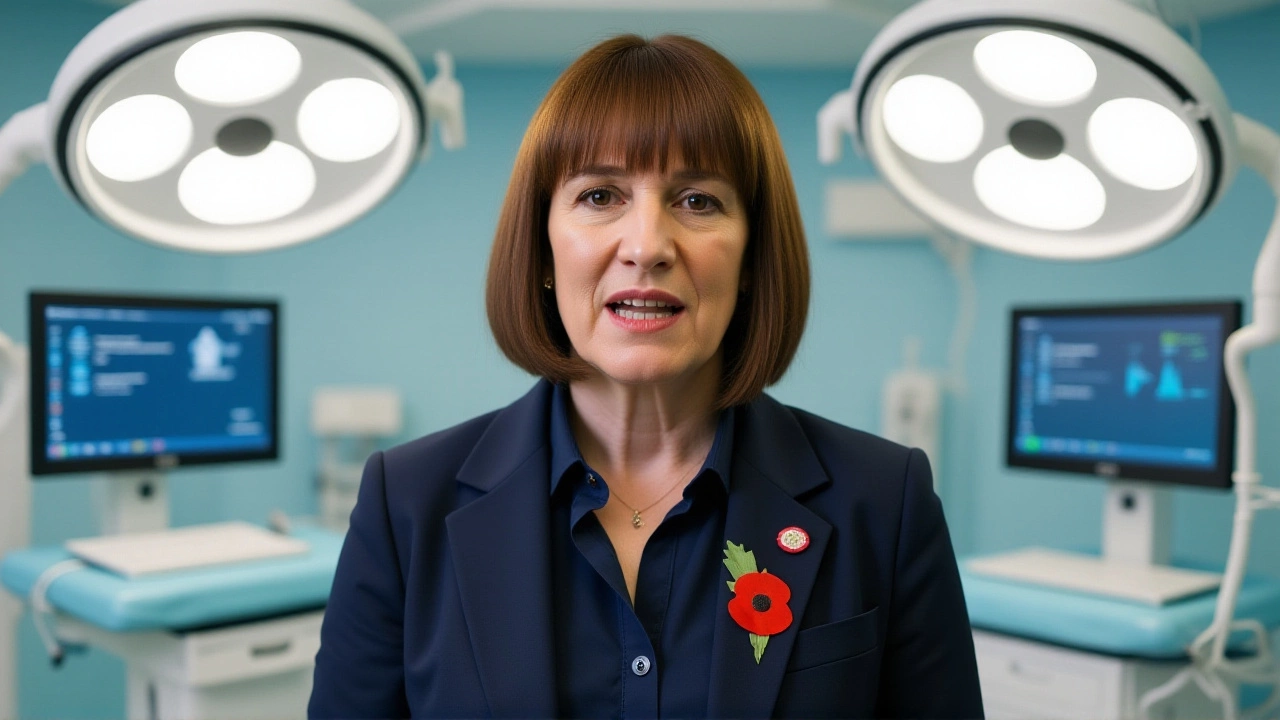
On March 26, 2025, at 12:30 PM GMT, Rachel Jane Reeves, Chancellor of the Exchequer, stood in the House of Commons and delivered a budget that didn’t just tweak the system—it restructured it. With real GDP growth upgraded to 1.5% for 2025, the UK is now the second-fastest growing economy in the G7. But Reeves didn’t celebrate. Instead, she laid out a plan to fix what she called "a tax system tilted in favor of wealth over work." The message was clear: if you earn from property, dividends, or savings, you’re paying less than someone earning the same amount through a job. And that’s changing.
Why Investment Income Is Getting Taxed Like Wages
The core of Budget 2025 isn’t about raising more money—it’s about fairness. Employees pay National Insurance: 8% on earnings between £12,570 and £50,270, then 2% beyond that. But dividends, rental income, and savings interest? Nothing. Zero. The government’s own data shows that in Q3 2025, the economic indicator tracking wealth inequality hit 12.7%, up from 11.5% in 2019. That’s not a glitch—it’s a feature of the old system.
So, the government is introducing a High Value Council Tax Surcharge on residential properties in England valued over £2 million. It’s not a new tax—it’s an addition. A £10 million mansion in Westminster currently pays less in Council Tax than a modest £300,000 home in Leeds. That’s absurd, Reeves said. The surcharge will apply to roughly 40,000 homes nationwide, mostly in London, Surrey, and Oxfordshire. The revenue—estimated at £420 million annually—will fund local infrastructure, not general spending.
Dividend and savings allowances remain unchanged: £500 for dividends, £1,000 for savings (basic rate), £500 for higher rate. But now, any income above those thresholds will be taxed at the same marginal rates as employment income. No more "tax-free" gains for investors while teachers and nurses pay NI. "It’s not about punishing success," Reeves told MPs. "It’s about ending a loophole that rewards passive income over effort."
£12.71 an Hour: The New National Living Wage
Effective April 1, 2026, the National Living Wage—applicable to workers aged 21 and over—will jump to £12.71 per hour, a 5.92% increase from £12.00. That’s the biggest real-terms rise since 2016. About 2.9 million low-paid workers across England, Scotland, and Wales will see their paychecks rise immediately. For someone working 35 hours a week, that’s an extra £112 a month before tax.
It’s not just about fairness—it’s economic strategy. Real wages have risen for 26 straight months, the longest streak since records began. But nominal pay growth has slowed to 4.2% in Q3 2025. The government’s bet? Boosting the floor lifts demand, reduces welfare dependency, and pressures employers to innovate rather than underpay. "This isn’t a handout," said Office for Budget Responsibility Chief Economist Dr. Eleanor Hargreaves. "It’s a structural lever. When low-wage workers spend more, small businesses grow. It’s a multiplier effect."
The Triple Lock: Pensioners Won’t Be Left Behind
While younger workers get a raise, pensioners get a guarantee. The government has committed to keeping the Triple Lock mechanism in place for the entire duration of the current Parliament (2024–2029). That means the State Pension will rise each April by the highest of: inflation (CPI), average earnings growth, or 2.5%.
In April 2026, it will rise by 4.8%, pushing the new State Pension from £221.20 to £231.82 per week—£575 more per year for each of the 12.3 million recipients. For a couple living on just the State Pension, that’s over £1,150 extra annually. The move is politically potent: pensioners voted in droves in 2019 and 2024. But the government says it’s also economically sound. Pensioner poverty has fallen by 32% since 2010. The Triple Lock has been a key driver.
Real Household Income: The Quiet Victory
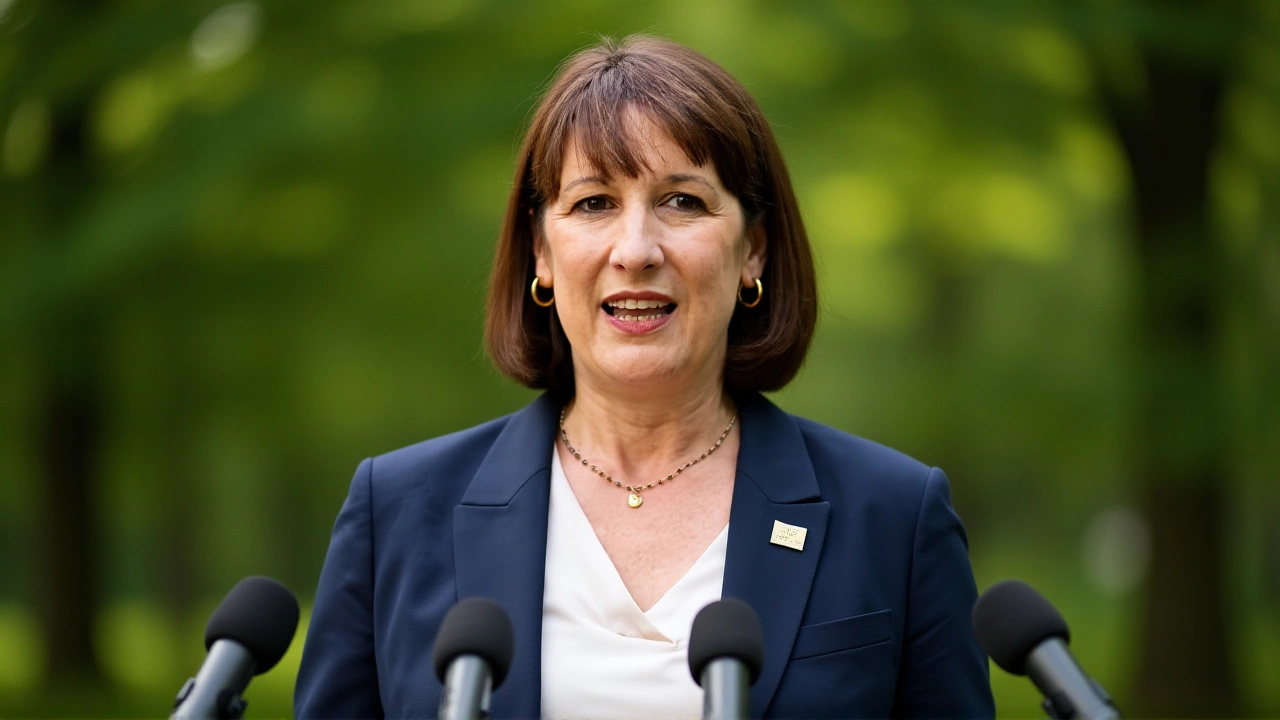
Behind the headlines, the most telling number might be this: Real Household Disposable Income (RHDI) per capita is £800 higher in 2024–2025 than it was in 2019–2020. That’s £52.8 billion extra in the pockets of UK households. The Office for Budget Responsibility forecasts a further 2.9% rise in RHDI over the next four years. That’s not flashy. But it’s real.
It means families can afford heating, groceries, and childcare without dipping into savings. It means parents aren’t choosing between rent and medicine. And it reverses a decade-long trend where living standards stagnated after the 2008 crash.
What’s Left Out—and Why It Matters
There’s no mention of capital gains tax reform. No change to inheritance tax thresholds. No increase in the personal allowance. Critics say the government is avoiding the big-ticket items that hit the wealthy hardest. But the Treasury argues it’s deliberately targeting areas with clear inequities: investment income without NI, council tax anomalies, and wage suppression.
"This isn’t a radical overhaul," said former Treasury advisor Mark Delaney. "It’s surgical. They’re fixing the parts that were broken, not burning the whole house down. That’s why the OBR gave it a green light."

What’s Next?
The changes take full effect in April 2026. Property owners will receive valuations from HMRC by late 2025. Employers must adjust payroll systems by March 2026. Pensioners will see the increase in their April 2026 payment. The real test? Will inflation stay under control? The OBR forecasts CPI to fall to 2.1% by end-2026. If it doesn’t, pressure will mount to adjust the Triple Lock.
One thing’s certain: the political calculus has shifted. The era of tax breaks for wealth without work is ending. And for the first time in years, the government is betting that lifting the bottom and taxing the top—not just cutting spending—is the path to lasting growth.
Frequently Asked Questions
How will the High Value Council Tax Surcharge affect property owners in London?
The surcharge applies only to residential properties in England valued over £2 million—roughly 40,000 homes, mostly in Westminster, Kensington, and Richmond. Owners will pay an additional £1,500–£8,000 annually on top of existing Council Tax, depending on property value. Properties below £2 million are unaffected, and the £1,000 Property Allowance for rental income remains unchanged. The goal is to make local taxation fairer, not to drive out residents.
Who benefits most from the National Living Wage increase to £12.71?
Approximately 2.9 million low-wage workers aged 21 and over across the UK will benefit, particularly in sectors like hospitality, retail, care work, and logistics. A full-time worker (35 hours/week) gains £112 per month before tax. The increase is most impactful in regions with lower average wages, such as the North East and Wales, where it lifts incomes above the real cost of living for the first time in years.
Why is the Triple Lock being maintained until 2029?
The Triple Lock ensures pensioners aren’t left behind by inflation or stagnant wage growth. With 12.3 million recipients relying on it, the government sees it as both a moral commitment and a political necessity. The 4.8% increase in April 2026 will raise the weekly State Pension to £231.82. Maintaining it until 2029 signals stability, reducing uncertainty for retirees and helping the state manage long-term welfare costs.
Does this budget reduce the deficit?
Not directly. The tax changes on investment income are projected to raise £1.2 billion annually by 2028–29, while the wage increase and pension hike add £8.7 billion in costs. The net fiscal impact is neutral in the short term. The goal isn’t deficit reduction—it’s rebalancing. By boosting real incomes and productivity, the government aims to grow the tax base sustainably over time, reducing reliance on borrowing.
What does the 26-month rise in real wages mean for ordinary families?
It means that, for the first time since 2017, UK households are consistently earning more in real terms after inflation. That’s not just a statistic—it’s more groceries on the table, less reliance on food banks, and the ability to afford a winter heating bill. Real wage growth has now surpassed pre-pandemic levels. The budget builds on that momentum, ensuring it doesn’t reverse if inflation spikes again.